
west Coast National Park
Nature and Wildlife in Langebaan.
Nature and Wildlife in Langebaan – Nothing is more impressive, than the annual wildflower extravaganza in August, on the WESKUS. Thousands are drawn in early Spring, to view one of the most spectacular efflorescent displays in the world, but lots more are on offer. If you in the area, you have to see the Nature and Wildlife in Langebaan.

Nature and Wildlife in Langebaan: A Natural Paradise on the West Coast(WESKUS)
Located on the stunning West Coast of South Africa, the Wildlife in Langebaan, is a hidden gem for nature lovers and wildlife enthusiasts. Known for its diverse ecosystems, Langebaan offers a variety of outdoor experiences, from its picturesque beaches, to its rich birdlife and marine life. Whether you’re an eco-tourist, a photographer, or a nature enthusiast, the Wildlife In Langebaan and its natural beauty make it an exceptional destination to explore.
The West Coast National Park: A Sanctuary for Nature and Wildlife in Langebaan
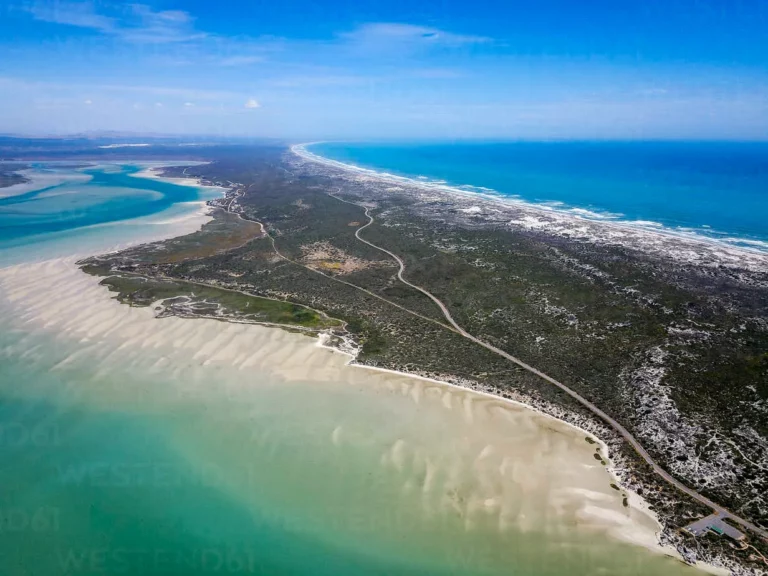
The West Coast National Park is one of South Africa’s most beloved natural reserves, offering an incredible diversity of ecosystems and Wildlife in Langebaan. Spanning over 27,000 hectares, the Park is renowned for its rich birdlife, stunning landscapes, and variety of habitats, including salt marshes, fynbos, wetlands, and coastal dunes. Whether you’re visiting for a day or exploring its vast beauty over several days, the Park offers a multitude of opportunities to connect with nature and observe Wildlife in Langebaan, in their natural habitats.
West Coast National Park’s Unique Ecosystems
The West Coast National Park is a patchwork of different ecosystems, each supporting its own unique Wildlife in Langebaan. Its geographical location along the Atlantic coastline ensures a wide range of habitats, which in turn, promotes a rich diversity of flora and fauna. Key ecosystems in the Park include:
- Langebaan Lagoon: A shallow, saltwater lagoon that is vital to the Park’s marine life and a hotspot for birdwatching.
- Fynbos: A unique vegetation type that covers much of the Park’s inland areas, with its diverse plant life attracting various animals.
- Salt Marshes and Wetlands: Crucial for the Park’s ecology, these areas support a variety of bird species and provide breeding grounds for marine life.
- Coastal Dunes: Shifting sand dunes along the coastline that are home to a variety of plant and animal species, including the iconic Namaqualand daisies in the spring.
The West Coast National Park is an incredibly biodiverse area, supporting a range of Wildlife in Langebaan, from terrestrial mammals to marine species. The Park’s variety of ecosystems provides shelter, food, and breeding grounds for numerous animals, making it an ideal destination for wildlife enthusiasts.
Mammals of the West Coast National Park
While the Park is more widely known for its birdlife, it is also home to a variety of mammal species. Some of the most notable mammals you may encounter during a visit include:
- Springbok, Steenbok, Gemsbok, Duiker: Antelope found grazing in the fynbos areas and along the Park’s grasslands.
- Red Hartebeest, Kudu,Eland, Bontebok: Known for their striking appearance, these large herbivores roam the Park’s open plains.
- Cape Fox and Jackal: As nocturnal animals, these animals are often spotted at dusk and dawn, prowling the Park’s more remote areas.
- Zebras: The Mountain Zebras are often seen around the Park’s coastal areas, particularly near the salt marshes and picnic sites.
- Ostriches: Spotted everywhere in the Park, particularly around the dunes and fynbos areas.
While the larger mammals are fascinating to observe, visitors should always exercise caution and maintain a safe distance.
Birdlife in the West Coast National Park
The West Coast National Park is one of the premier bird watching destinations in South Africa, attracting bird lovers from all over the world. With over 250 bird species recorded in the Park, it’s no surprise that the Park is part of the Important Bird and Biodiversity Area (IBA) network.
Some of the most notable birds you might encounter include:
- Flamingos: Both the Greater Flamingo and the Lesser Flamingo are frequent visitors to the Langebaan Lagoon, especially in the summer months. These iconic birds can be seen wading through the shallow waters in large flocks.
- African Oystercatcher: A striking black-and-white shorebird with a vivid red beak, the African Oystercatcher is commonly seen along the coastline.
- Black Harrier: An endangered bird of prey that can often be seen soaring over the fynbos, searching for small mammals and birds.
- White-fronted Plover: A small and elusive bird that is often spotted along the shores of the lagoon and beaches.
- Yellow-billed Egret: A beautiful heron-like bird found hunting in the Park’s wetlands.
The best time to visit the Park for birdwatching is during the wet summer months when migratory species are abundant, and the Park’s wetland areas are at their fullest.
Marine Life in the West Coast National Park
The waters surrounding the West Coast National Park are rich with marine life, particularly in the Langebaan Lagoon, which is a protected area due to its ecological importance. The lagoon is home to a variety of marine species, including:
- Seals: The park is home to several colonies of Cape fur seals, which can often be spotted swimming or basking on rocks along the coast.
- Dolphins: Dolphins occasionally can be seen in the lagoon, particularly near the northern shore and the open sea.
- Whales: During the migration season (typically from June to November), it’s possible to spot Southern Right Whales and Humpback Whales as they move along the coast. Their presence offers an exciting opportunity for marine life enthusiasts to witness these majestic creatures.
- Marine Birds: The Cape Cormorant and Great White Pelican can often be seen hunting or resting along the shorelines, making the park a prime spot for observing coastal birdlife.
Reptiles and Amphibians
While mammals and birds are the main attraction, the Park also supports a variety of reptiles and amphibians. These include:
- The Angulate Tortoise: Found in the fynbos areas, this small tortoise is a protected species that plays an important role in the park’s ecosystem.
- Skinks and Geckos: Various species of lizards, including the Western Rock Skink, are often seen sunning themselves on rocks or darting across the Park’s trails.
- Frogs: The wetlands and marshes are home to numerous frog species, such as the Cape Rain Frog and Common Frog, which can be heard croaking on warm evenings.
Activities and Viewing of Wildlife in Langebaan West Coast National Park
The West Coast National Park is a haven for outdoor enthusiasts. Whether you’re hiking, cycling, or simply exploring by car, there are numerous ways to enjoy the park and its wildlife:
- Birdwatching: The Park has several bird hides and viewing points, particularly around the lagoon and wetlands, where you can enjoy quiet observation of the park’s avian inhabitants.
- Hiking: The Park offers a variety of trails, from coastal walks to more challenging hikes through the fynbos. The Postberg section of the Park is particularly popular during the wildflower season.
- Game Drives: Visitors can enjoy self-drive safaris through the Park’s open plains and fynbos areas, where wildlife such as springbok, hartebeest and kudu can be spotted.
A Sanctuary for Nature and Wildlife in Langebaan
The West Coast National Park offers a rich and diverse experience for nature lovers, wildlife enthusiasts, and photographers alike. With its incredible birdlife, varied ecosystems, and range of terrestrial and marine species, it’s no wonder that this Park is one of South Africa’s top natural destinations. Whether you’re exploring its wetlands, hiking through its fynbos-covered hills, or enjoying a peaceful bird watching session at the lagoon, the West Coast National Park is an essential part of the Langebaan experience.
The Rich Wildlife in Langebaan’s Wetlands
Langebaan’s wetlands are one of its most important ecological features. These wetlands are crucial for the local ecosystem as they serve as a breeding ground for numerous species, while also acting as a filter to purify water.
The surrounding vegetation, including reeds and grasses, helps maintain the wetlands’ biodiversity by providing shelter for various animal species. This makes Langebaan an essential stop for anyone wanting to experience South Africa’s fascinating wetland ecosystems.


Explore the Weskus Flower Magic
“…After the winter rainfall, the WESKUS is transformed into a white wonderland, as the rain daisy makes its appearance. But soon the orange gousblom splashes the white with orange, followed by the yellow Cape dandelion, blue flax and purple hongerblom for the ultimate veld palette and celebration of beautiful colours…” (Ref. Binks MacKenzie)


Viewing of Wild Flowers
The West Coast National Park, with only a hour’s drive from Cape Town, offers:
self-drive exploring options,
hikes with or without overnight camping
walks among many trails.
So get here early, bring your picnic basket (check the view towards Langebaan), or braai and swim at Kraalbaai. ENJOY, this natural wonderland!

FLOWER LINE
Entrance Fees to West Coast National Park in 2025/2026:
- SA citizen with ID- R116 per adult, per day.
- SA Children R58 per child, per day.
- Non SA – R272 per adult, per day
- R136 per child per day
For daily update on best flowers to view, phone the FLOWER LINE at 079 741 0113 or 022- 433 8505
- email: tourism @wcdm.co.za or visit:
- https://www.weskustourism.org
- West Coast National Park @ 022- 77 22 144


Nature and Wildlife in Langebaan: The Wildflower Season – A Burst of Color and Beauty
One of the most spectacular natural events in Langebaan is the wildflower season, which typically peaks from mid August to mid September. During this time, the West Coast comes alive with a vibrant display of wildflowers, transforming the landscape into a sea of color. This annual phenomena attracts both locals and international visitors, eager to witness, one of nature’s most beautiful spectacles.
What Makes the Wildflowers of Langebaan So Special?
The wildflowers found in Langebaan and the surrounding areas are part of the Cape Floral Kingdom, a UNESCO World Heritage Site. This region is home to one of the most biodiverse plant regions on the planet, with thousands of species, many of which are endemic to the area. During the flower season, the fields, hillsides, and coastal areas are blanketed with bright blooms, creating a stunning contrast against the rugged backdrop of the West Coast.
Langebaan’s unique geography and climate provide an ideal environment for these wildflowers to thrive. The rich soils, combined with the winter rainfall, allow a wide variety of species to bloom simultaneously. The wildflower season is brief but breathtaking, typically lasting only a few weeks, making it an even more precious and sought-after event.
Wildflower Species to Look Out For:
Langebaan is home to a range of wildflower species, some of which are found nowhere else in the world. Here are some of the most notable wildflowers that you might encounter during the flowering season:
- Namaqualand Daisy (Arctotis): These bright yellow and orange daisies are a hallmark of the West Coast’s wildflower displays, carpet the grounds in vivid hues.
- Crying Bride (Oldenburgia grandis): A delicate white flower with a beautiful fragrance.
- Blossoming Erica Species: These shrubs, known for their bell-shaped flowers, bloom in a variety of colors, from pink to purple, adding depth to the wildflower displays.
- Sand Lily (Lapeirousia species): This striking lily, with its pale yellow petals, is often found in sandy coastal soils and adds a subtle beauty to the landscape.
Best Places to See Wildflowers in Langebaan
The West Coast National Park is the prime location for wildflower viewing during the flower season. The Park’s diverse terrain, from coastal areas to fynbos-covered hills, provides an ideal environment for wildflowers to bloom.
- Visitors can explore Postberg, a private section of the Park, where you’ll find an explosion of color and Wildlife in Langebaan. This section is only open to the public from 1st August to 30 September. Only from 9.00am -17.00 pm. Timing is everything and as the flowers are only open on sunny days, it is important to check the Weather Report.
- Myburgh Park- this Neighbourhood in Langebaan, especially around Shark Bay, offers some of the best flower displays , outside the Park.
The Importance of Wildflowers in Langebaan’s Ecosystem
While the wildflowers of Langebaan are undoubtedly beautiful, they also play a critical role in maintaining the region’s ecological balance. These flowers are crucial for pollinators such as bees, butterflies, and birds, supporting the wider food chain and helping maintain healthy ecosystems.
Additionally, the seasonal blooming of wildflowers helps enrich the soil by adding organic matter when the flowers die back, which supports future plant growth. The flowers also serve as essential food sources for herbivores, from small insects to larger grazing animals.
Eco-Tourism and Responsible Wildflower Viewing
As wildflowers become a major attraction for visitors, it’s important to respect the natural environment during the flower season. Some tips for responsible wildflower viewing include:
- Stay on marked trails to avoid trampling delicate flowers.
- Don’t pick the flowers or disturb their natural habitat.
- Respect Regulations when visiting National Park (See sign board).
- Travel during off-peak hours to avoid large crowds and enjoy the flowers in peace.
By following these guidelines, visitors can help preserve Langebaan’s stunning wildflower displays for future generations.
Experience the Magic of Langebaan’s Wildflower Season
Langebaan’s wildflower season is one of nature’s most enchanting events, offering an unforgettable experience for visitors who are lucky enough to witness it.The explosion of color during this time, makes Langebaan a must-visit destination. Whether you’re hiking, taking photographs, or simply admiring the view, the wildflowers are sure to leave a lasting impression of the beauty and diversity of Langebaan’s natural landscape.


The Nature and Wildlife in Langebaan: The Diverse Ecosystems of the Lagoon
Langebaan is known for its incredible range of natural ecosystems, from sandy beaches to salt marshes, wetlands, and fynbos. The area’s unique geography, creates habitats that support a rich diversity of flora and fauna, offering plenty of opportunities to immerse oneself in nature.
One of the most notable ecosystems in Langebaan is the Langebaan Lagoon, which provides a habitat for numerous species of birds, marine life, and plants. The surrounding West Coast National Park protects this sensitive areas, making it a perfect spot for nature lovers and wildlife observers.
Langebaan is also home to an extraordinary diversity of plant life, particularly within the fynbos ecosystem. Fynbos is a unique vegetation type found only in South Africa, and Langebaan offers a pristine example of this rich flora. The area’s fynbos homes a variety, making it a must-visit for plant enthusiasts and botanists
Nature and Wildlife in Langebaan : Marine Life -the Hidden Treasures Beneath the Waters
Beyond the land-based Wildlife in Langebaan, the town is also a fantastic destination for marine enthusiasts. The Langebaan Lagoon is home to a variety of marine species, including seals, dolphins, and even the occasional whale. The calm, shallow waters of the lagoon make it an ideal spot for kayaking, sailing, and windsurfing, offering an opportunity to observe marine life up close.
The lagoon’s protected waters are rich in biodiversity, offering safe nesting areas for marine birds and fish. The surrounding kelp forests are teeming with life and make Langebaan an excellent location for diving. If you’re lucky, you may even spot the elusive southern right whale or humpback whale during migration season.
Birdwatching in Langebaan: A Paradise for Bird Lovers
Langebaan is renowned for its birdwatching opportunities, attracting bird lovers from all over the world. The West Coast National Park is home to more than 250 species of birds, including several endemic species and migratory birds. Whether you’re a seasoned birder or a beginner, Langebaan offers prime spots for birdwatching year-round.
Some of the most famous bird species found in Langebaan include:
- Flamingos: Langebaan Lagoon is a key stopover for flamingos, especially during the summer months when large flocks can be seen feeding along the shallow waters.
- Black Harriers: These striking birds of prey are a rare and endangered species often spotted hunting over the fynbos.
- African Oystercatcher: Found along the rocky shores of the lagoon, the African Oystercatcher is a striking bird with distinctive black and white plumage.
Whether you’re birdwatching from the comfort of your car or hiking along the Park’s well-maintained trails, Langebaan is truly a paradise for avian enthusiasts.


Sustainable Tourism: Protecting Langebaan’s Natural Beauty
With its stunning landscapes and rich Wildlife in Langebaan, it’s no surprise that Langebaan has become a popular destination for tourists. However, it is important for visitors to approach the area with a sense of responsibility. The preservation of Langebaan’s unique ecosystems relies heavily on sustainable tourism practices.
Travelers can help preserve Langebaan’s natural beauty by:
- Staying on designated paths to protect fragile habitats
- Avoiding littering to keep the beaches and parks clean
- Respecting wildlife by keeping a safe distance and not feeding animals
- Supporting the eco-friendly Nature and Wildlife in Langebaan, visitors can help ensure that Langebaan remains a pristine natural haven for generations to come.